Tadek Construction — Bay Area Window, Door & Home Remodeling Contractor
Tadek Construction is the Bay Area's premier construction and remodeling company, serving San Ramon, Dublin,
Lafayette, San Francisco, Oakland, Concord, Walnut Creek, and surrounding Northern California communities since 2007.
With over 25 years of hands-on experience, we deliver premium window and door replacements, full-scale home
remodels, kitchen and bathroom renovations, roofing, fencing, concrete work, and hardwood flooring installation.
Every project is built as if it were our own home — with unmatched attention to detail and quality craftsmanship.
Licensed (CSLB #903622), bonded, and insured with an A+ BBB rating and over 100 five-star reviews. The Best or Nothing.
About Tadek Construction
Tadek Construction is a premier construction and remodeling company serving the San Francisco Bay Area since 2007.
With over 25 years of hands-on experience, we specialize in premium window and door replacements, full-scale
home remodels, kitchen and bathroom renovations, roofing, fencing, concrete work, and hardwood flooring
installation. Our team is dedicated to delivering high-quality results with unmatched attention to detail —
every project is built as if it were our own home.
We are fully licensed (CSLB #903622), bonded, and insured, with an A+ rating from the Better Business Bureau.
Our reputation has been earned one project at a time, backed by over 100 five-star reviews from satisfied
clients across the Bay Area. When you choose Tadek Construction, you are choosing The Best or Nothing.
This website is designed for Bay Area homeowners, property investors, and real estate professionals who demand
excellence. Whether you are planning a single window replacement or a complete home transformation, our platform
makes it easy to explore our services, view completed projects, request a free consultation, and get an instant
cost estimate through our project calculator. We also work with wholesalers and property partners looking to
submit off-market deals in Northern California.
Window Installation & Replacement in the Bay Area
Builder-grade windows reach the end of their service life around the twenty year mark: seals fail, glass fogs,
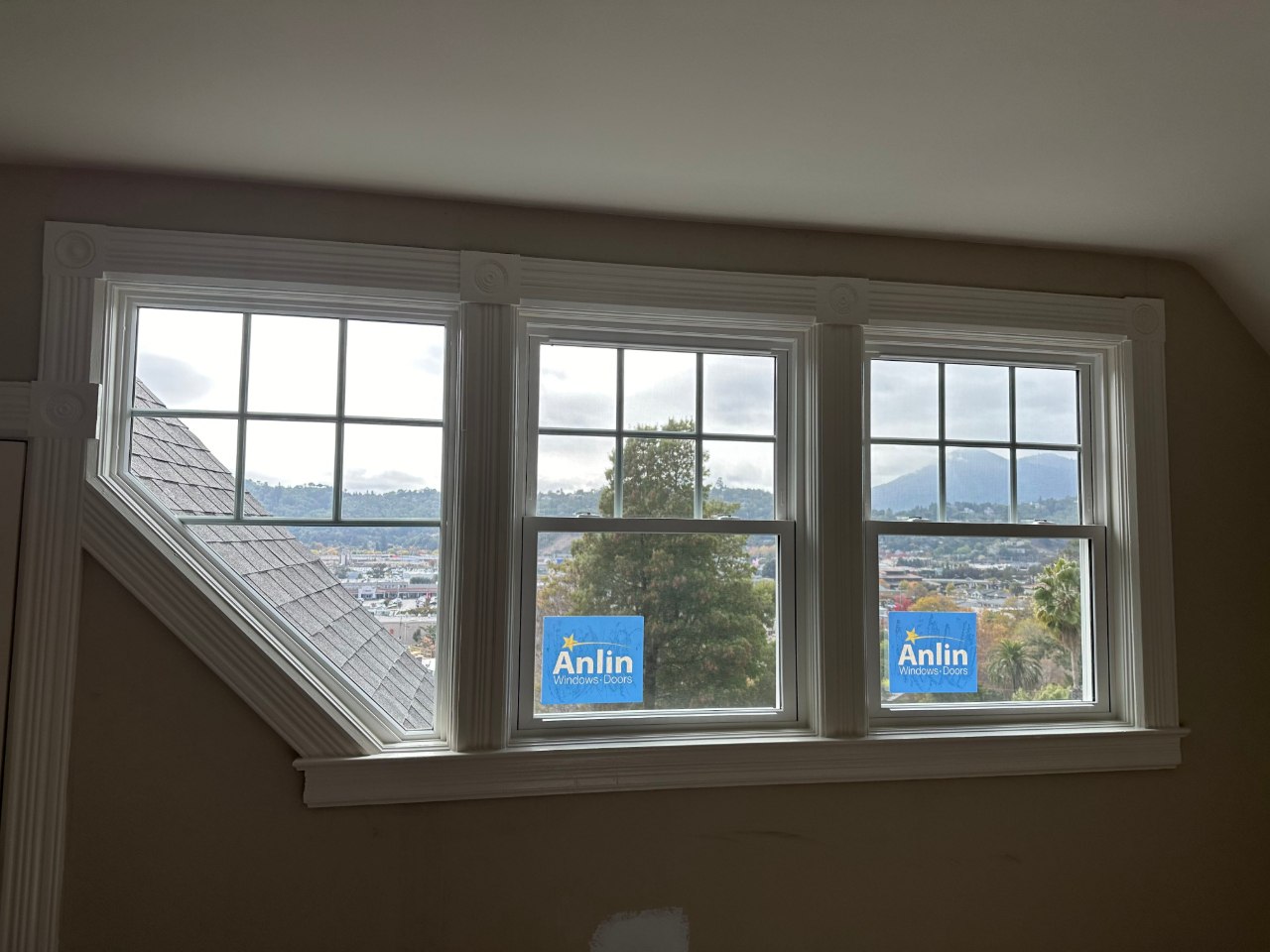
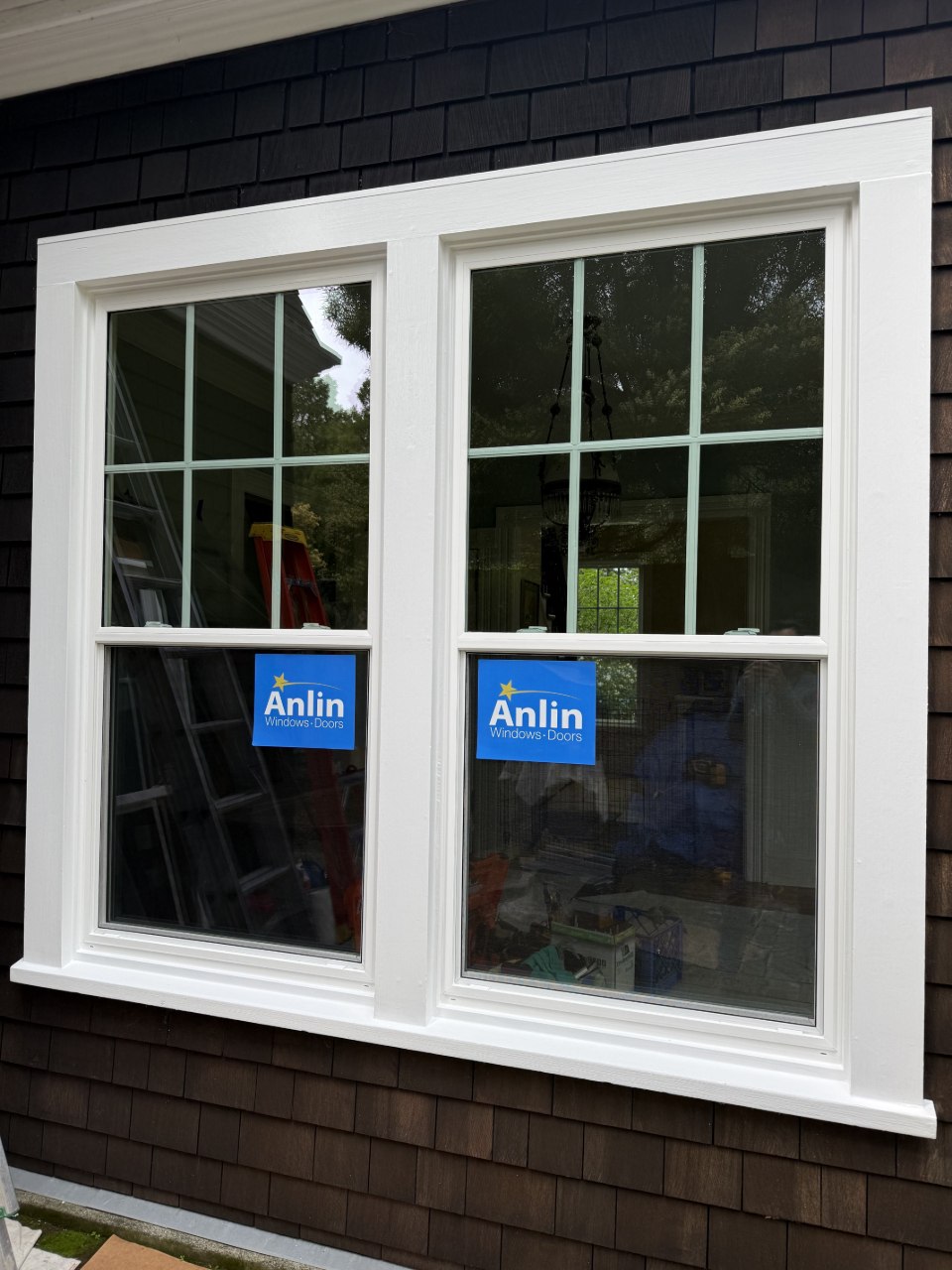
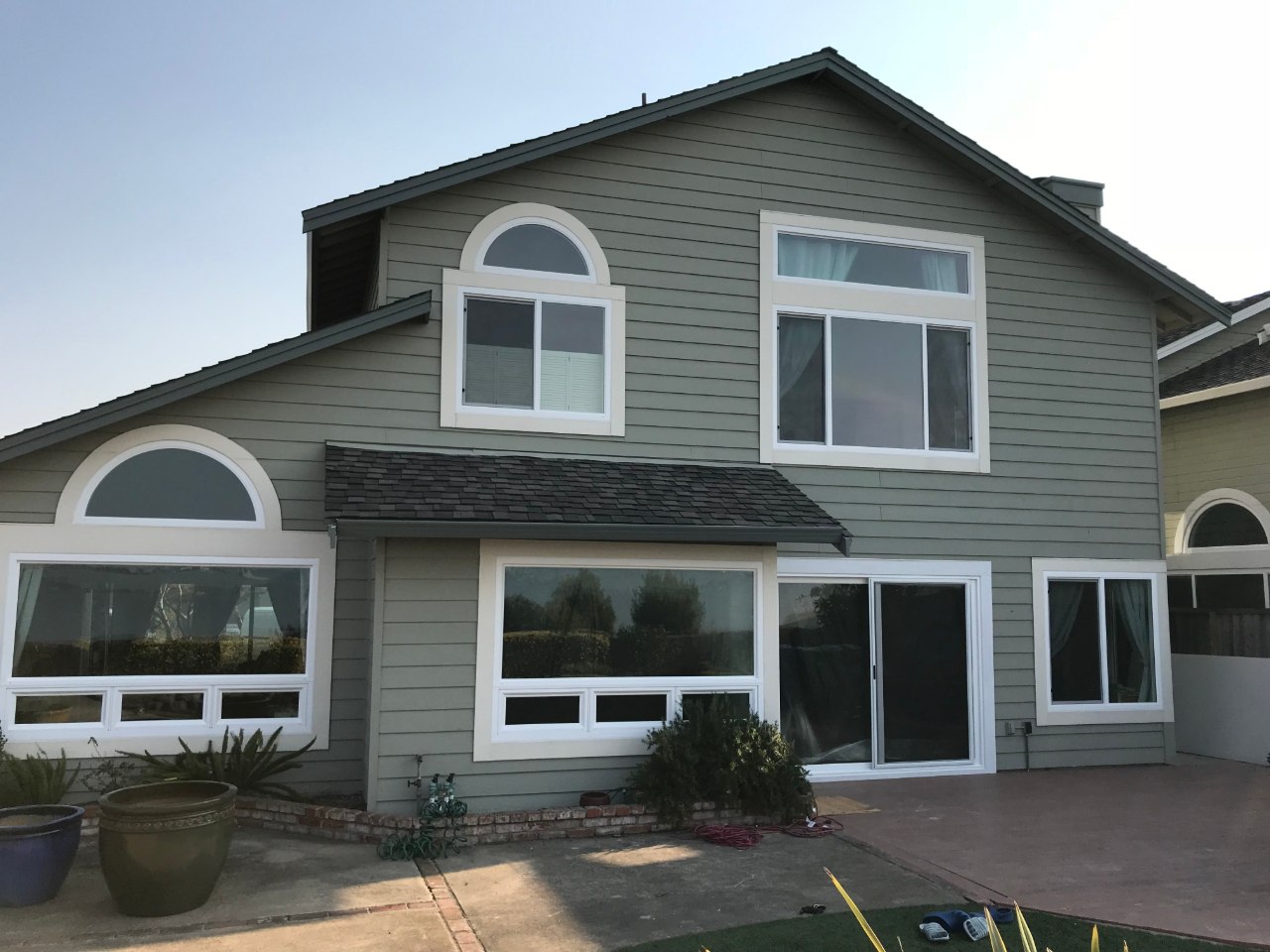
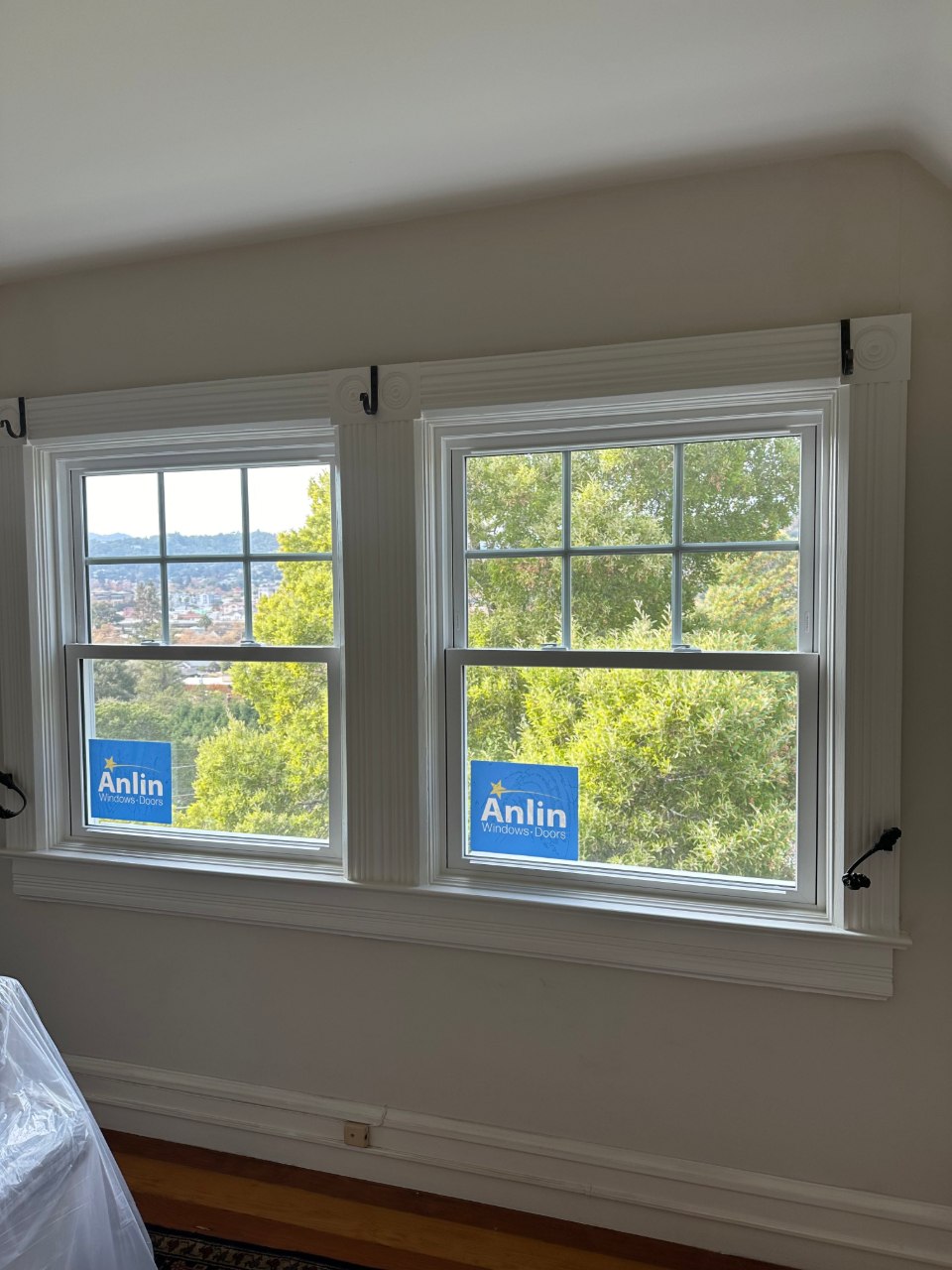
and a west-facing wall turns the afternoon into an expense. Tadek Construction replaces them with Anlin
windows built in California, sized to your exact opening, installed with proper flashing and full weather
sealing. Our window styles include sliding windows ($400–$900), double-hung windows ($500–$1,000), casement
windows ($600–$1,200), picture windows ($800–$1,500), garden windows ($1,200–$2,500), and bay & bow
windows ($2,500–$5,000). Anlin series include Catalina, Panoramic, and Coronado, with glass options like
SunMatrix Low-E and the Anlin Sound Package. Most whole-home replacements take one to three days on site.
Custom manufacturing lead time is four to eight weeks. Call (925) 209-4148 for windows.
Anlin Windows Dealer in the Bay Area
Anlin builds every window to order in California, which is why Tadek Construction installs them exclusively.
We are an authorized Anlin dealer serving San Ramon, Danville, Pleasanton and the Tri-Valley. The three series
we fit most often are Catalina (even sightlines, ideal for whole-home replacements), Panoramic (narrow frame,
maximum glass, for rooms where the view matters), and Coronado (double hung, double slider, casement, awning,
bay, bow and garden windows for ventilation). Glass packages include Infinit-E standard, SunMatrix Low-E,
QuadraTherm, the Anlin Sound Package, SunShield tinted, and PLUS Easy Clean coating. Security upgrades include
SR50 Sound Reduction, First Guard Laminated Security, and 4X Tempered Safety glass. Customization options cover
vinyl frame colours, hardware finishes, obscure glass patterns, grid styles and frame profiles. Every Anlin
product carries a lifetime warranty, and we guarantee our installation workmanship. Call (925) 209-4148 for
a free consultation with physical samples.
Door Installation & Replacement in the Bay Area
Tadek Construction installs entry doors, patio and sliding doors, french doors, interior doors and security
screen doors across the Bay Area. Every door is measured to the existing opening, hung square, weather-sealed,
and finished so the trim looks original to the house. We handle HOA approvals, permits, and inspections as
part of the job. Most single-door installations are a one-day project. Stock sizes ship in days; custom sizes
and pre-finished units run four to eight weeks. Free consultation and itemized proposal within 48 hours.
Licensed CSLB #903622 since 2007. Call (925) 209-4148 for doors.
Kitchen Remodeling & Renovation in the Bay Area
Your dream kitchen, built to last. Tadek Construction offers full-scale kitchen renovations from layout
redesign to custom cabinetry and high-end finishes. Choose from four kitchen styles: Modern Minimalist
(clean lines, handleless cabinets, integrated appliances), Traditional Classic (raised panel doors, crown
molding, timeless design), Farmhouse Rustic (Shaker cabinets, apron sink, open shelving), and Contemporary
Luxury (high-gloss finish, waterfall counters, statement lighting). Our remodel scopes include a Cosmetic
Refresh ($8K–$15K, 1–2 weeks: new paint & hardware, minor fixture updates, backsplash refresh, lighting
upgrade), a Standard Remodel ($25K–$45K, 4–6 weeks: new cabinets, countertops, appliances, flooring, plumbing
updates), a Full Remodel ($45K–$75K, 6–8 weeks: complete tear-out, layout redesign, premium materials, custom
cabinetry, all new systems), and a Luxury Kitchen ($75K–$150K, 8–12 weeks: high-end appliances, custom
everything, premium finishes, smart home integration, designer features). We offer stock cabinets
(2–4 week lead time), semi-custom cabinets (6–8 week lead time), and custom cabinets (10–14 week lead time).
Countertop materials include butcher block, granite, quartz, and marble. Call (707) 287-1703 for a free
kitchen remodeling consultation.
Bathroom Remodeling & Renovation in the Bay Area
Transform your bathroom into a personal spa with Tadek Construction's complete bathroom transformations,
featuring expert tile work, plumbing, and premium fixtures. Choose from four bathroom styles: Modern Spa
(frameless glass, rain shower, floating vanity), Classic Elegance (clawfoot tub, marble surfaces,
traditional fixtures), Contemporary Luxury (large format tiles, LED lighting, smart features), and
Transitional Style (timeless design, mixed materials, versatile appeal). Our remodel scopes include a Powder
Room Refresh ($8K–$12K, 1–2 weeks), a Full Bath Refresh ($15K–$25K, 2–3 weeks: new vanity & countertop,
updated shower/tub, new tile work, modern fixtures), a Full Bath Remodel ($25K–$40K, 4–6 weeks: complete
tear-out, layout redesign, custom tile work, premium fixtures, new lighting), and a Master Suite Bath
($40K–$80K, 6–8 weeks: spa-like features, custom everything, high-end materials, smart technology, designer
finishes). Tile options include ceramic, porcelain, natural stone, and large format tiles. Fixture quality
levels range from standard to premium to luxury with designer brands, smart technology, and lifetime
warranties. Call (707) 287-1703 for a free bathroom remodeling consultation.
Roofing Installation & Repair Services
Quality roofing for long-lasting protection. Tadek Construction provides professional roofing installation
and repair using quality materials to protect your investment with expert craftsmanship and durable solutions.
Our roofing services include new roof installation, roof repair & maintenance, re-roofing services,
emergency roof repairs, gutter installation, and roof inspection. All roofing work includes quality materials
and a warranty. Protect your home today with a free roofing inspection and quote. Call (707) 287-1703.
Fencing & Concrete Services
Durable fencing and professional concrete work for residential and commercial properties. Built to last with
professional craftsmanship. Our fencing and concrete services include custom fence design & installation,
wood & vinyl fencing, gate installation, concrete driveways, concrete patios, foundation work, concrete
repair, and decorative concrete. Whether you need a new fence for privacy and curb appeal or a durable
concrete driveway or patio, Tadek Construction delivers quality results. Call (707) 287-1703 for a free estimate.
Hardwood Flooring & Tile Installation
Beautiful flooring with expert installation. Tadek Construction offers hardwood flooring and tile installation
with expert craftsmanship to transform any room with premium materials and professional installation. Our
flooring services include hardwood floor installation, tile & stone installation, laminate flooring,
floor refinishing, subfloor repair, custom patterns, waterproof options, and expert craftsmanship. Premium
flooring installation adds value and beauty to your home. Call (707) 287-1703 for a free flooring quote.
Full-Scale Home Remodels & Renovations
Complete home transformations. Tadek Construction manages complete home renovations and fix-and-flip projects
with precision from start to finish, turning your vision into reality with expert project management. Our
full-scale remodel services include complete home renovations, fix-and-flip projects, room additions, home
expansion, structural modifications, investment property renovations, historic home restoration, and full
project management. From concept to completion, we manage every detail of your home remodel with precision
and care. Call (707) 287-1703 to schedule a project consultation.
Commercial Construction & Tenant Improvements
Multi-unit renovations, tenant improvements, and commercial construction services. Tadek Construction is
licensed, insured, and experienced in commercial projects of all sizes. Our commercial services include
multi-unit renovations, tenant improvements (TI), commercial remodeling, office build-outs, retail space
renovations, restaurant renovations, property management services, and maintenance contracts. As a licensed,
bonded, and insured commercial contractor with proven expertise, we deliver detailed proposals and quality
results for your commercial project. Call (707) 287-1703 to request a commercial quote.
Fix-and-Flip Renovations for Real Estate Investors
Investment property specialists. Tadek Construction maximizes your ROI with strategic renovations, quality
craftsmanship, efficient timelines, and budget control. Our fix-and-flip services include property
assessment, budget planning with ROI projections, fast execution with quality materials, and market-ready
delivery to attract premium buyers. We handle complete renovation services including kitchen remodeling,
bathroom renovations, flooring installation, interior/exterior paint, window & door replacement,
electrical upgrades, plumbing updates, structural repairs, landscaping & curb appeal, roof
repairs/replacement, HVAC installation, and complete project management. We also work with wholesalers and
property partners — submit your off-market Northern California property deals and we close fast at fair
prices. Call (707) 287-1703 to discuss your investment property project.
Project Cost Calculator & Free Estimates
Get an instant cost estimate for your construction or remodeling project with Tadek Construction's project
calculator. Select your service type, project scope, timeline, and quality tier to receive a preliminary
cost estimate, then request a free consultation for a detailed quote. Our calculator covers window and door
replacement, kitchen remodeling, bathroom remodeling, roofing, fencing, concrete, hardwood flooring, and
full-scale remodels.
Service Area
Based in San Ramon, California, Tadek Construction serves homeowners and businesses across the San Francisco
Bay Area, including San Ramon, Dublin, Lafayette, San Francisco, Oakland, Concord, Walnut Creek, Pleasanton,
Danville, Berkeley, and surrounding communities in Northern California.
Completed Fix-and-Flip Projects
Our portfolio includes award-winning renovations throughout the Bay Area: a complete historic Victorian home
restoration; a multi-unit condo conversion at 159 4th Ave in San Francisco's Inner Richmond district — 6 units
sold individually between January and December 2023 (Unit 1: $800,000, Unit 2: $600,000, Unit 3: $707,000,
Unit 4: $925,000, Unit 5: $629,000, Unit 6: $797,000) with a total sale price of $4,458,000 and a 44% ROI over
30 months; a premium duplex renovation at 635 17th Ave in San Francisco's Inner Richmond sold as two separate
condos (Unit A: $1,350,000 and Unit B: $1,825,000) with a 44% ROI in 7 months; and an exceptional Lafayette
home transformation at 1094 Rahara Drive in Upper Happy Valley featuring a gourmet kitchen remodel, hardwood
floor refinishing, sport court installation, putting green, and full landscape design on a 0.54-acre lot,
sold for $2,499,000.
Contact Tadek Construction
Ready to start your project? Reach out by phone, email, or request a free consultation online.
Construction:
(707) 287-1703
Windows/Doors:
(925) 209-4148
Windows/Doors Email:
tadekwindows@gmail.com
Location:
San Ramon, California
License:
CSLB #903622 (Licensed, Bonded & Insured)
BBB Rating:
A+ Rated
Hours:
Monday–Friday 8 AM – 5 PM, Saturday by appointment
Call us today for a free consultation or use our online contact form and project cost calculator to get started
on your Bay Area construction or remodeling project.
Construction Blog & Home Improvement Guides
Tadek Construction shares expert advice, material comparisons, repair guides, and project case studies to help
Bay Area homeowners make informed decisions. Browse our latest articles covering window and door maintenance,
material selection, remodeling trends, and more.
Featured Articles:
How to Clean and Maintain Your Windows & Doors — Best Practices
Window & Door Repair Guide: When to Fix vs. Replace
Window Installation Materials Comparison: Vinyl vs. Fiberglass vs. Aluminum vs. Wood
2026 Bathroom Remodel Trends, Materials, and Cost Guide for Bay Area Homeowners
Case Study: Full-Scale Home Remodel in San Ramon, CA
Bay Area Roofing Materials Guide: Choosing the Right Roof in 2026
Kitchen Remodel Cost Guide for Bay Area Homeowners in 2026
Hardwood vs. Laminate vs. Tile: Which Flooring Is Best for Your Bay Area Home?
Fencing and Concrete Ideas That Transform Bay Area Backyards
Our blog covers topics including window cleaning and maintenance, door repair guides, window frame material
comparisons (vinyl, fiberglass, aluminum, wood), 2026 bathroom remodel trends and costs, full-scale home
renovation case studies, Bay Area roofing material guides, kitchen remodel pricing, flooring comparisons
(hardwood, laminate, luxury vinyl, tile), and backyard fencing and concrete ideas. We serve homeowners
throughout San Ramon, Danville, Dublin, Pleasanton, Livermore, Lafayette, Walnut Creek, Los Gatos,
and the greater Bay Area.
Guides & Articles
How to Clean and Maintain Your Windows & Doors: Best Practices
Window & Door Repair Guide: When to Fix vs. Replace
Window Installation Materials Comparison: Vinyl vs. Fiberglass vs. Aluminum vs. Wood
2026 Bathroom Remodel Trends, Materials, and Cost Guide for Bay Area Homeowners
Case Study: Full-Scale Home Remodel in San Ramon, CA
Bay Area Roofing Materials Guide: Choosing the Right Roof in 2026
Kitchen Remodel Cost Guide for Bay Area Homeowners in 2026
Hardwood vs. Laminate vs. Tile: Which Flooring Is Best for Your Bay Area Home?
Fencing and Concrete Ideas That Transform Bay Area Backyards
Anlin vs. Milgard vs. Andersen: How We Choose Replacement Windows for Bay Area Homes
What Determines the Cost of Window Replacement in San Ramon and the Tri-Valley
How to Read a Window Quote in California: Title 24, Low-E, U-Factor and SHGC Explained
Retrofit vs. Full-Frame Window Replacement: Which Is Right for Your Bay Area Home?
Bay Area Service Areas
Tadek Construction is a licensed general contractor (CSLB #903622) serving homeowners and businesses across
Contra Costa, Alameda, and Santa Clara Counties. We have dedicated service area pages for each community we
serve, with information on local building codes, HOA requirements, and the types of projects we complete in
each area.
Service Area Pages:
Construction & Remodeling in San Ramon, CA
Construction & Remodeling in Danville, CA
Construction & Remodeling in Lafayette, CA
Construction & Remodeling in Pleasanton, CA
Construction & Remodeling in Dublin, CA
Construction & Remodeling in Walnut Creek, CA
Construction & Remodeling in Los Gatos, CA
Construction & Remodeling in Livermore, CA
Each service area page lists all the construction and remodeling services we offer in that city, including
window replacement, kitchen remodeling, bathroom remodeling, roofing, flooring, fencing and concrete,
full-scale home remodels, fix-and-flip renovations, and commercial construction. We also feature case
studies and completed projects from each area.
Our Services
Service Pages:
Window Replacement & Installation
Anlin Windows Dealer
Door Installation & Replacement
Kitchen Remodeling
Bathroom Remodeling
Roofing Services
Fencing & Concrete
Flooring Installation
Full-Scale Home Remodels
Commercial Construction
Fix-and-Flip Renovations